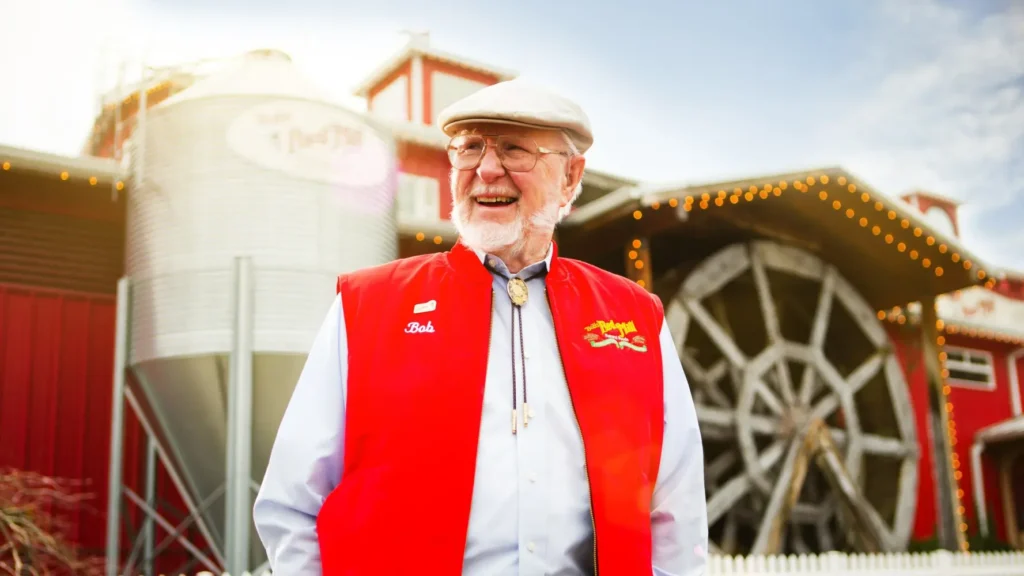
In the natural foods industry, there are many successful brands. But very few stories stand out the way Bob Moore’s story does.
Bob Moore, the founder of Bob’s Red Mill, built more than just a food company. He built a business grounded in trust, quality, and fairness.
When Moore passed away at the age of 94, he left behind a thriving global brand known for whole grains, natural foods, and baking products. But perhaps his most powerful legacy wasn’t the products on grocery shelves.
It was the way he chose to share ownership of the company.
Instead of selling Bob’s Red Mill to a giant corporation for millions of dollars, Moore made a decision that stunned many in the business world.
He gave the company to his employees.
Through an Employee Stock Ownership Plan (ESOP), hundreds of workers became owners of the company they helped build.
It was a bold move—and one that continues to inspire entrepreneurs and business leaders around the world.
The Humble Beginning of Bob’s Red Mill
The story of Bob’s Red Mill began in 1978 in Oregon, when Bob Moore and his wife Charlee decided to pursue a simple mission.
They wanted to produce wholesome, natural food people could trust.
At the time, the food industry was rapidly changing. Highly processed foods were becoming more common, and many traditional grain products were disappearing from store shelves.
Bob believed something important was being lost.
Instead of following the trend toward heavy processing, he focused on traditional methods of producing grain-based foods.
One of the key methods Bob relied on was stone milling.
Stone milling is a slower process that grinds grains between large stones, helping preserve more of the grain’s natural nutrients and flavor.
Bob believed this approach produced better quality food—and customers quickly agreed.
What started as a small local business slowly grew into a respected natural food brand.
The Growth of a Natural Food Pioneer
Over the years, Bob’s Red Mill steadily expanded its product line.
The company became known for producing a wide variety of high-quality grain-based foods, including:
- Whole grain flours
- Gluten-free baking mixes
- Organic oats and cereals
- Specialty grains such as quinoa, millet, and amaranth
- Pancake and waffle mixes
As consumer interest in natural and healthy foods increased, Bob’s Red Mill found itself perfectly positioned.
The brand’s commitment to simple ingredients and traditional production methods helped it earn a loyal customer base.
Eventually, Bob’s Red Mill products could be found not just in health food stores but also in major grocery chains around the world.
Today the company offers:
- Over 200 natural food products
- Distribution in more than 70 countries
- A reputation as one of the most trusted brands in the natural foods space
Yet despite its global success, the company remained deeply connected to its original values.
The Business Decision That Surprised Everyone
As Bob’s Red Mill grew in popularity, larger food corporations began showing interest in acquiring the company.
For many founders, this moment represents the ultimate reward: a lucrative buyout that provides financial security and recognition.
But Bob Moore had a different perspective.
He believed the company’s success belonged not just to him, but to the employees who worked alongside him for decades.
These were the people who helped grow the brand, produce the products, and serve customers.
So instead of selling to a large corporation, Moore decided to do something very different.
In 2010, he transferred ownership of the company to his employees through an Employee Stock Ownership Plan (ESOP).
This meant that Bob’s Red Mill would remain independent—and its employees would share in the company’s success.
What Is an Employee Stock Ownership Plan (ESOP)?
An Employee Stock Ownership Plan, commonly called an ESOP, is a structure that allows employees to gain ownership in the company they work for.
Under this system:
- Employees receive company shares as part of their benefits
- Shares accumulate over time
- The value of those shares grows as the company grows
This approach gives employees a financial stake in the company’s performance.
When the company succeeds, employees benefit directly.
For Bob Moore, the ESOP structure ensured that Bob’s Red Mill would continue operating with the same values that helped build the company.
How Employee Ownership Changed the Workplace
When employees became owners of Bob’s Red Mill, something remarkable happened.
The culture inside the company shifted.
Workers began seeing their roles differently. They were no longer simply employees receiving a paycheck—they were owners with a shared interest in the company’s future.
This sense of ownership created several benefits.
Increased Motivation
Employees cared deeply about the success of the company because they personally benefited from its growth.
Higher Product Quality
When workers feel responsible for a company’s success, they tend to take greater pride in their work.
This helped Bob’s Red Mill maintain the high quality standards customers expected.
Stronger Teamwork
Ownership encourages collaboration.
Instead of focusing only on individual roles, employees work together to strengthen the company.
The Challenges Behind the Transition
Turning a privately owned company into an employee-owned business is not simple.
The transition requires:
- Financial planning
- Legal guidance
- Clear communication with employees
Bob Moore and his leadership team worked closely with experts to design an ESOP structure that would benefit both the company and its employees.
Education also played a key role.
Employees needed to understand what ownership meant and how the company’s performance affected their future.
Through training and open communication, Bob ensured that workers felt comfortable with the transition.
Why Bob’s Red Mill Still Thrives Today
More than a decade after becoming employee-owned, Bob’s Red Mill continues to grow.
The company remains a leading brand in the natural foods industry.
Several factors contribute to its continued success:
Commitment to Quality
Bob’s Red Mill continues to produce foods using high-quality ingredients and traditional milling methods.
Strong Brand Trust
Customers appreciate the brand’s transparency and dedication to healthy ingredients.
Employee Engagement
Because employees have a stake in the company, they remain deeply invested in its long-term success.
Lessons Entrepreneurs Can Learn from Bob Moore
Bob Moore’s story offers valuable lessons for business leaders and entrepreneurs.
People Matter
Businesses succeed because of the people who run them.
When employees feel respected and valued, they are more likely to contribute their best work.
Long-Term Thinking Wins
Instead of focusing only on short-term profits, Bob focused on the future of the company and its culture.
Shared Success Builds Stronger Companies
Employee ownership can create powerful alignment between workers and the company’s mission.
Values Create Trust
Bob’s Red Mill built its reputation by staying true to its core values: quality, honesty, and fairness.
The Enduring Legacy of Bob Moore
Bob Moore’s legacy is about far more than flour, grains, and baking mixes.
It’s about a different way of thinking about business.
His decision to give ownership of his company to his employees showed that companies can succeed while also treating people with fairness and respect.
Today, Bob’s Red Mill continues to grow while staying true to the philosophy that made it successful.
A philosophy built on shared ownership, honest food, and trust in people.
That legacy ensures Bob Moore’s influence will continue shaping the natural foods industry for years to come.