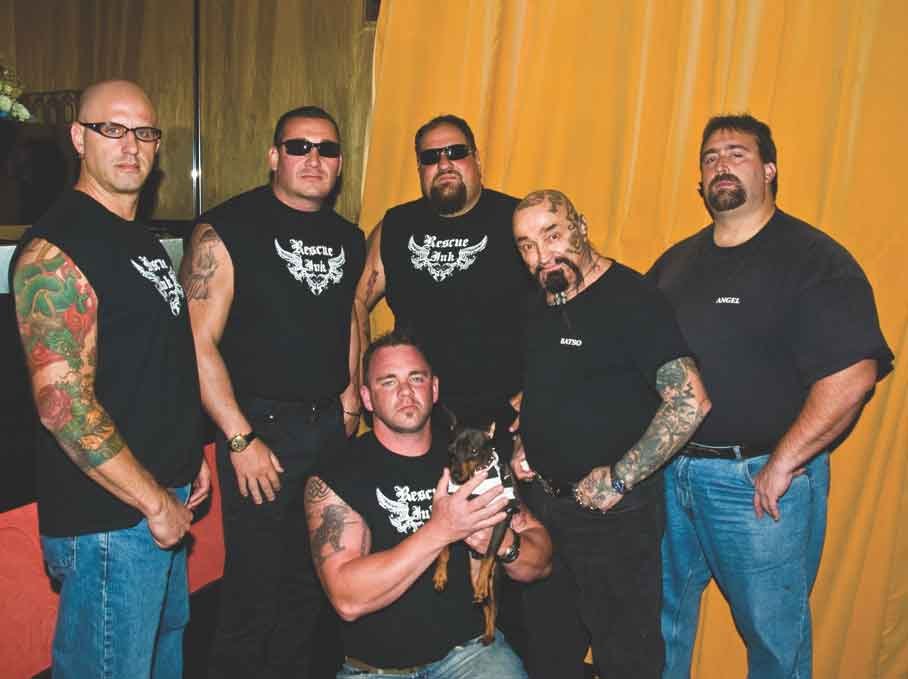
They wore leather, rode motorcycles, and looked intimidating enough to make most people step aside.
But beneath the tattoos and tough exterior was a group of animal lovers determined to protect pets from cruelty, neglect, and exploitation.
The group was called Rescue Ink.
Formed on Long Island, New York, in 2007, Rescue Ink brought together bikers and longtime animal advocates who believed vulnerable animals needed stronger voices defending them. Their unusual appearance quickly attracted attention, but it was their mission that made the organization memorable.
Tough Men With a Compassionate Mission
Rescue Ink members became involved after receiving reports of suspected animal mistreatment.
They investigated complaints, gathered information, and approached people accused of neglecting or abusing animals. Although their presence could be intimidating, members said they worked within the law and cooperated with shelters, animal-welfare groups, and law-enforcement agencies when official intervention was required.
Their cases reportedly involved neglected pets, animal hoarding, stolen animals, suspected dogfighting, and other dangerous situations.
The group’s goal was not simply to confront people. It was to help move animals out of harmful environments and connect them with safer care whenever possible.
That contrast became the heart of Rescue Ink’s public image: men who looked frightening using that image to defend animals that could not defend themselves.
Their Appearance Became an Advantage
Animal cruelty investigations can be difficult.
Victims cannot explain what happened, and witnesses may be afraid to speak. In some cases, suspected abusers may ignore warnings from neighbors or animal advocates.
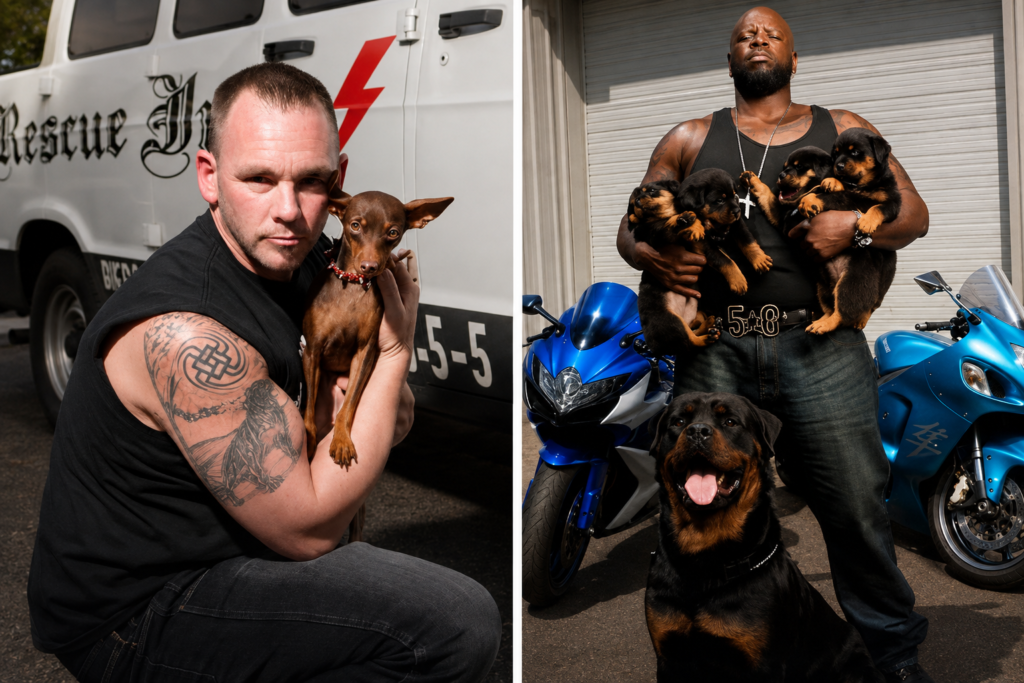
Rescue Ink’s members understood that their appearance could make people pay attention.
They did not resemble a traditional rescue organization. They looked more like a motorcycle crew arriving for a confrontation. That image helped them stand out and made the public curious about their work.
However, the group’s story was never only about intimidation. It was also about compassion.
Behind every visit was an animal that might be frightened, hungry, injured, abandoned, or living in unsafe conditions.
Working With Animal-Welfare Authorities
Rescue Ink did not have the authority to enter private property or confiscate animals on its own. When a situation required legal action, the group relied on the appropriate authorities.
In one documented case, information provided to Rescue Ink helped lead the Suffolk County Society for the Prevention of Cruelty to Animals to a home where several animals were seized.
Cases like this showed how community tips, rescue organizations, and official agencies could work together.
Rescue Ink helped bring attention to suspected mistreatment, while trained authorities handled searches, seizures, investigations, and possible criminal charges.
That distinction was important. The bikers could ask questions, document concerns, and pressure people to take responsibility, but official animal-control or law-enforcement agencies had to carry out legal enforcement.
More Than an Unusual Viral Story
It is easy to understand why Rescue Ink became widely discussed.
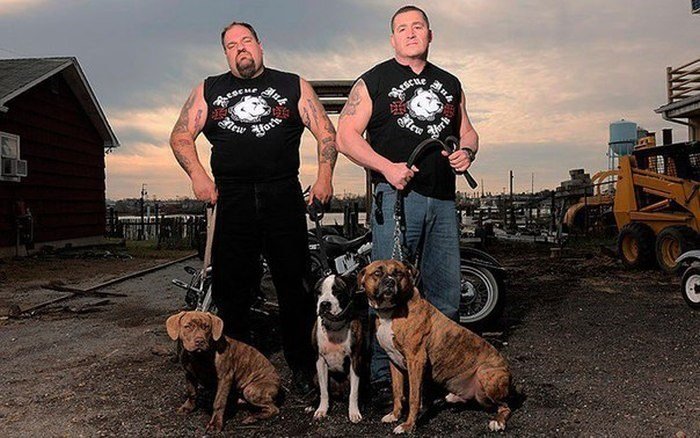
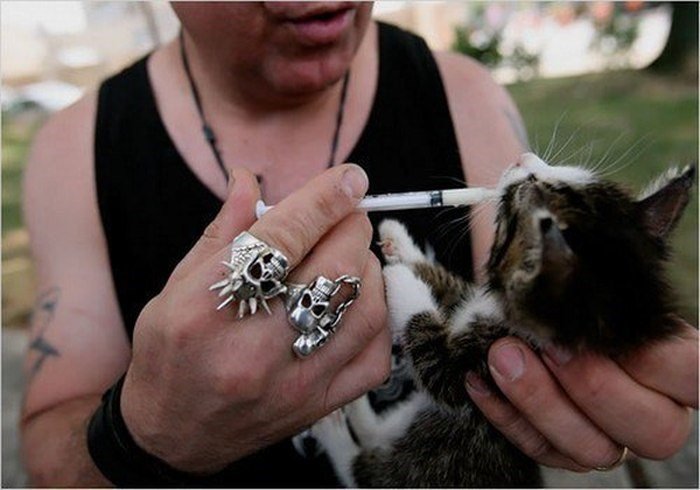
The visual contrast was powerful: muscular, tattooed bikers holding tiny puppies, comforting frightened dogs, and speaking passionately about animal welfare.
But the organization’s appeal went beyond appearances.
Its members challenged a common assumption that compassion must look gentle or conventional. They demonstrated that people can be tough and deeply caring at the same time.
For many supporters, Rescue Ink represented the idea that strength should be used to protect the vulnerable rather than frighten them.
What Happened to Rescue Ink?
Many social media posts describe Rescue Ink as though it is still operating. However, the original Rescue Ink Foundation did not continue indefinitely.
The organization officially closed and dissolved in June 2011, ending its operations after several years of animal advocacy.
Its active years were relatively brief, but the story continued circulating long after the organization closed. Photos, television appearances, and online posts helped turn Rescue Ink into one of the most recognizable examples of unconventional animal rescue.
That lasting interest shows why the story still connects with people.
It is not simply a story about bikers or animal cruelty. It is a story about using strength in an unexpected way.
A Different Kind of Toughness
Rescue Ink’s legacy rests on a simple but powerful contrast.
The members looked like people others might fear, yet they used that intimidating presence to help animals living in fear.
Their story is also a reminder that appearances rarely reveal the whole person. Compassion can come from unexpected places, and real toughness is not always measured by physical strength.
Sometimes, it is measured by the willingness to stand between a vulnerable animal and the person causing it harm.